
Introduction
In Thailand, the best meal of your trip probably won’t happen in a restaurant — it will happen on a plastic stool, on a pavement, under a bare lightbulb, while a woman who has made the same dish for thirty years puts a plate in front of you without asking what you want. Street food here isn’t the cheap option, it’s the good option: vendors specialise obsessively, one cart to one dish, perfected over decades and usually passed down through a family.
For a first-time visitor that’s also the problem — no menu you can read, no signal about what’s worth stopping for, and a hundred carts on a single street. So here’s the shortlist: ten dishes that will teach you more about Thai food than any tasting menu, plus what to say, what to pay, and where to find them.
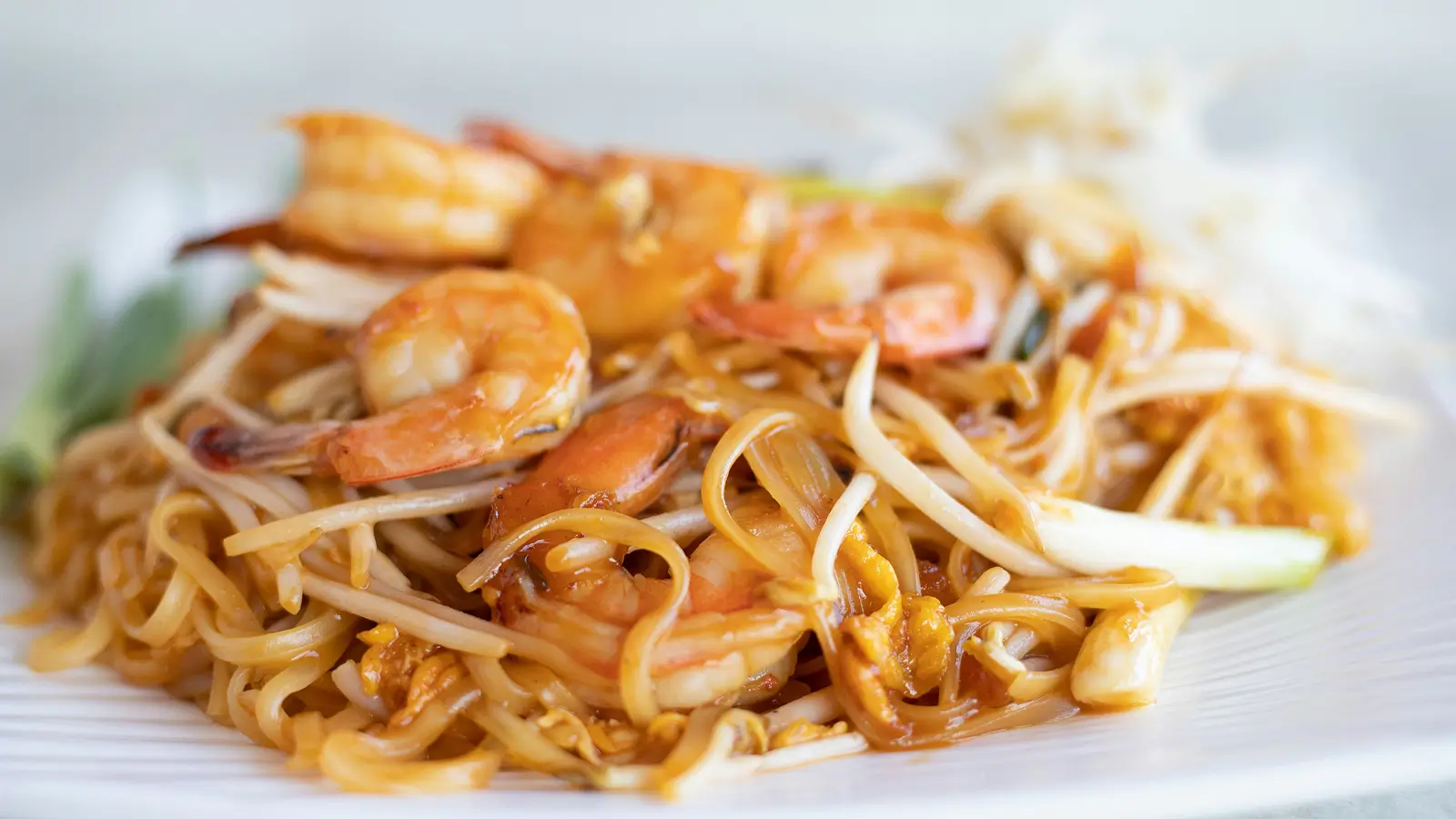
1. Pad Thai (ผัดไทย)
The one everyone knows, and the one most people have never really eaten. Real pad thai is not sweet and orange. It’s built on tamarind, palm sugar and fish sauce in balance, with rice noodles that keep a little chew, dried shrimp, firm tofu, and bean sprouts thrown in at the last second so they stay crunchy.
The rituals matter: squeeze the lime, add the chilli flakes and crushed peanuts yourself. That’s not decoration, it’s the final seasoning step, and the cook expects you to do it.
Where: Anywhere in Bangkok, but the carts around Banglamphu and the old town do it best. Pay: 60–100 THB.
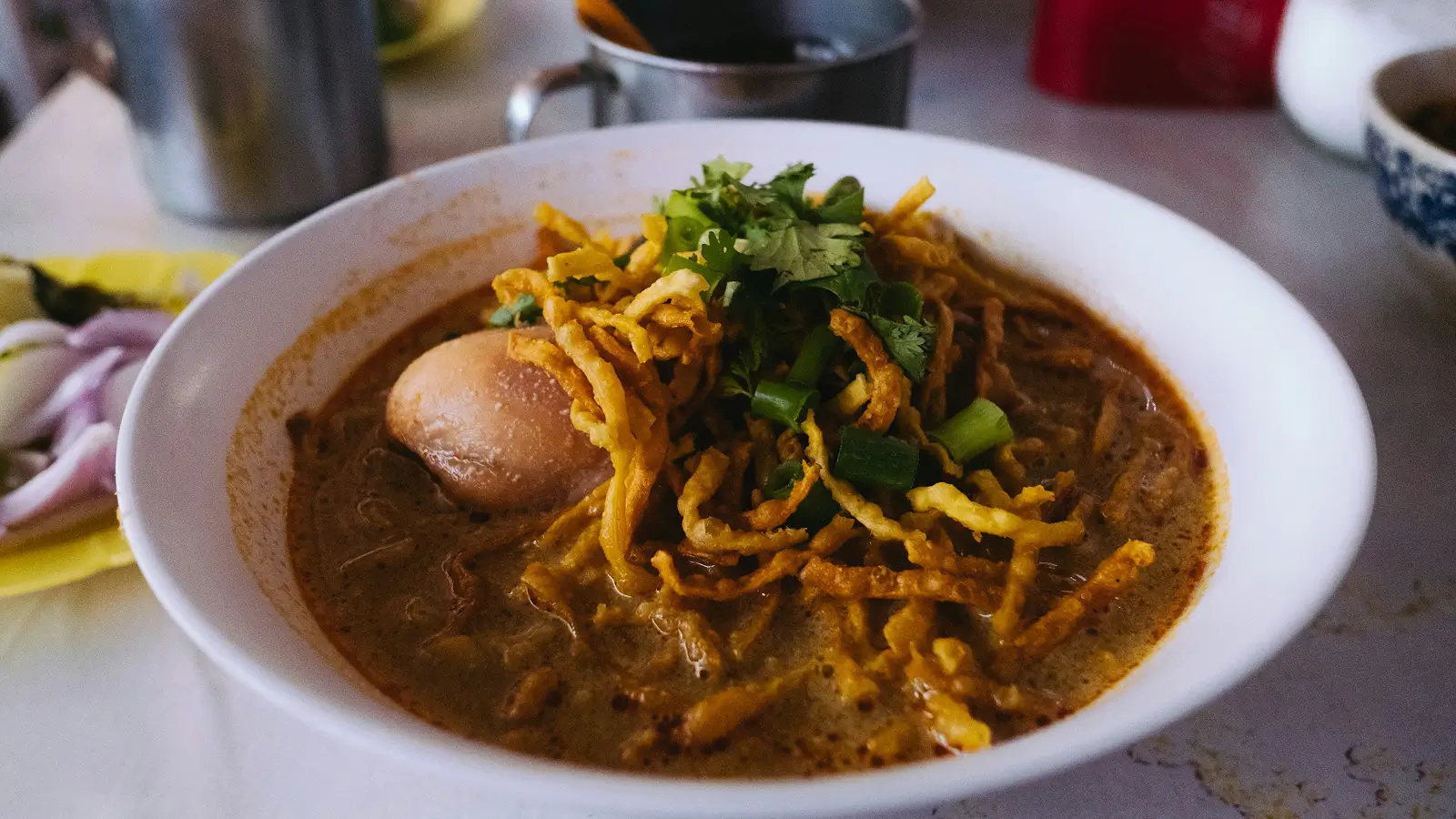
2. Khao Soi (ข้าวซอย)
Northern Thailand’s masterpiece and the reason to eat your way through Chiang Mai. A curried coconut broth — Burmese and Muslim-Chinese influence rather than central Thai — poured over soft egg noodles, topped with a nest of the same noodles fried crisp, with braised chicken falling off the bone.
It arrives with pickled mustard greens, shallots and lime on the side. Add all three. The pickle cuts the richness and the whole thing snaps into balance.
Where: Chiang Mai, especially the small shops around the Nimman area and near the Ping river. Pay: 50–80 THB.
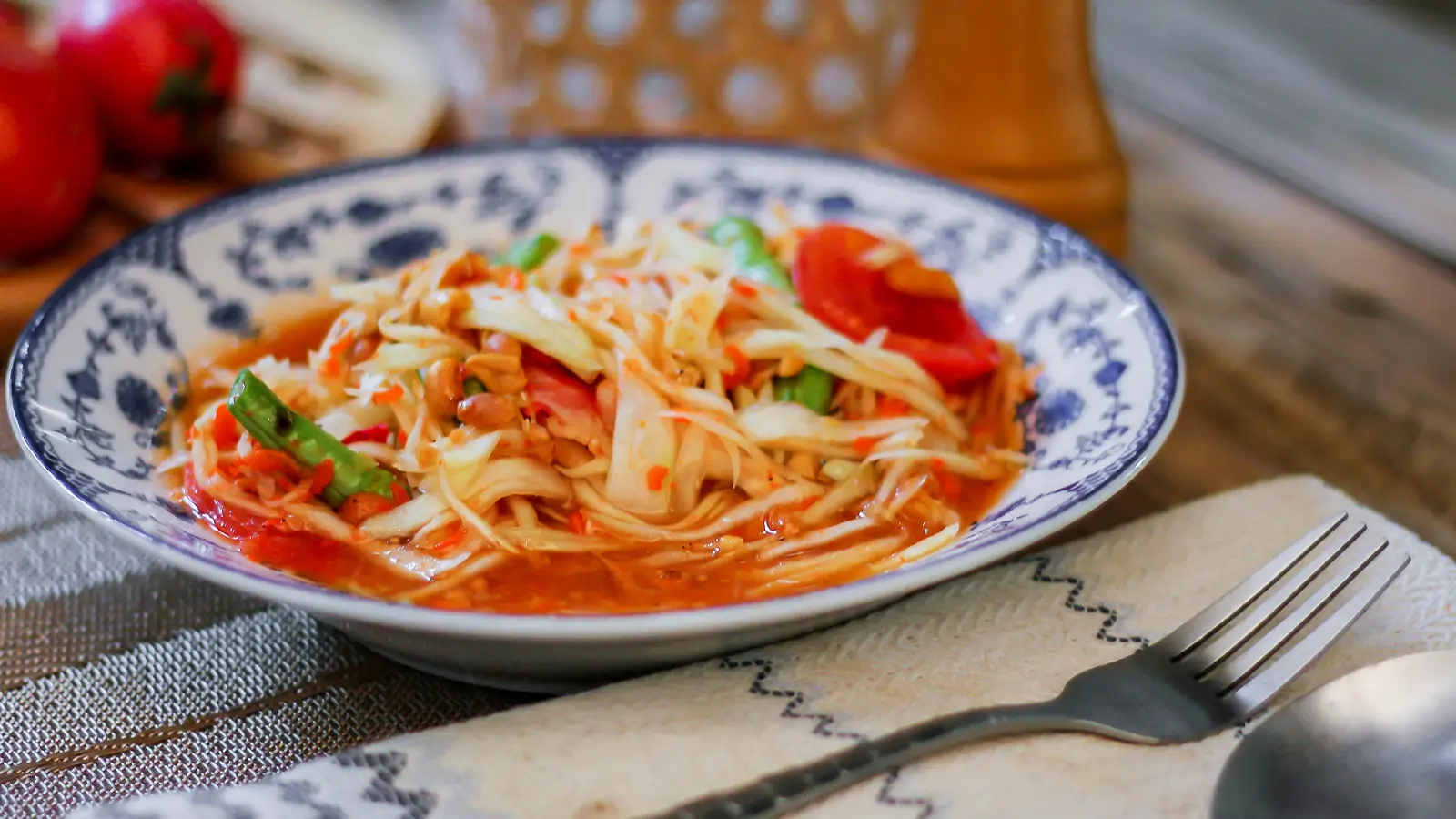
3. Som Tam (ส้มตำ)
Green papaya salad, pounded to order in a clay mortar. You’ll hear the stall before you see it — that rhythmic thud is the sound of lunch in Isaan.
Two things to know. First, this is where Thai food gets genuinely spicy; a standard order can carry five or more chillies. Second, there are versions: som tam thai is milder with peanuts and dried shrimp, som tam pu pla ra uses fermented fish and pickled crab and is a much bigger leap. Start with the first.
Where: Everywhere. Best at roadside stalls with a queue of Thai office workers. Pay: 40–70 THB.
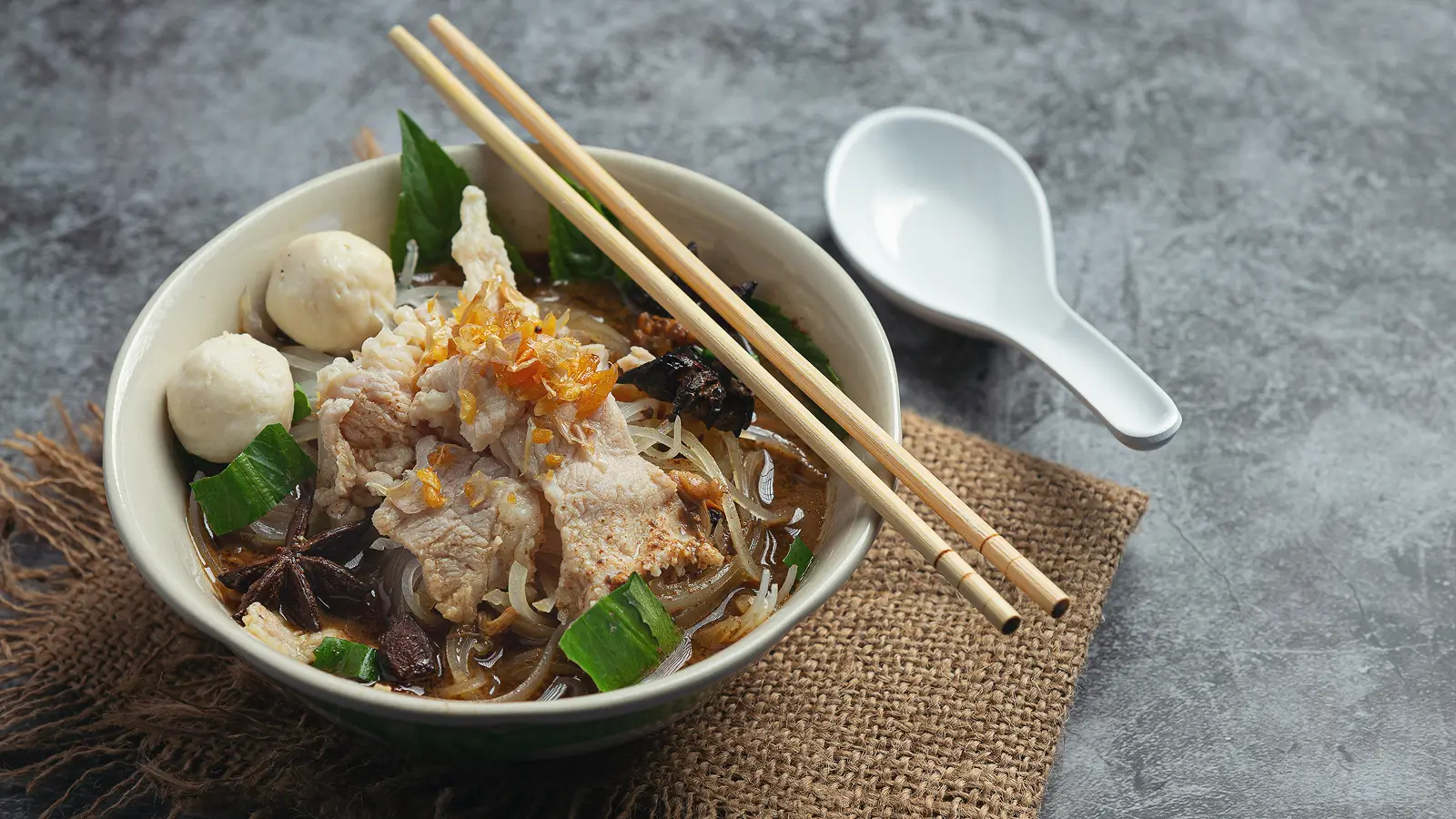
4. Guay Teow Reua (ก๋วยเตี๋ยวเรือ)
Boat noodles — named for the canal vendors who once sold them from small boats, which is why the bowls are tiny. The broth is dark, intensely savoury, spiced with cinnamon and star anise, and traditionally enriched with pork or beef blood, which gives it that velvet texture.
Portions are small by design. Locals stack four or five empty bowls on the table before they’re done, and so should you.
Where: Victory Monument in Bangkok is the classic pilgrimage. Pay: 15–25 THB per bowl.
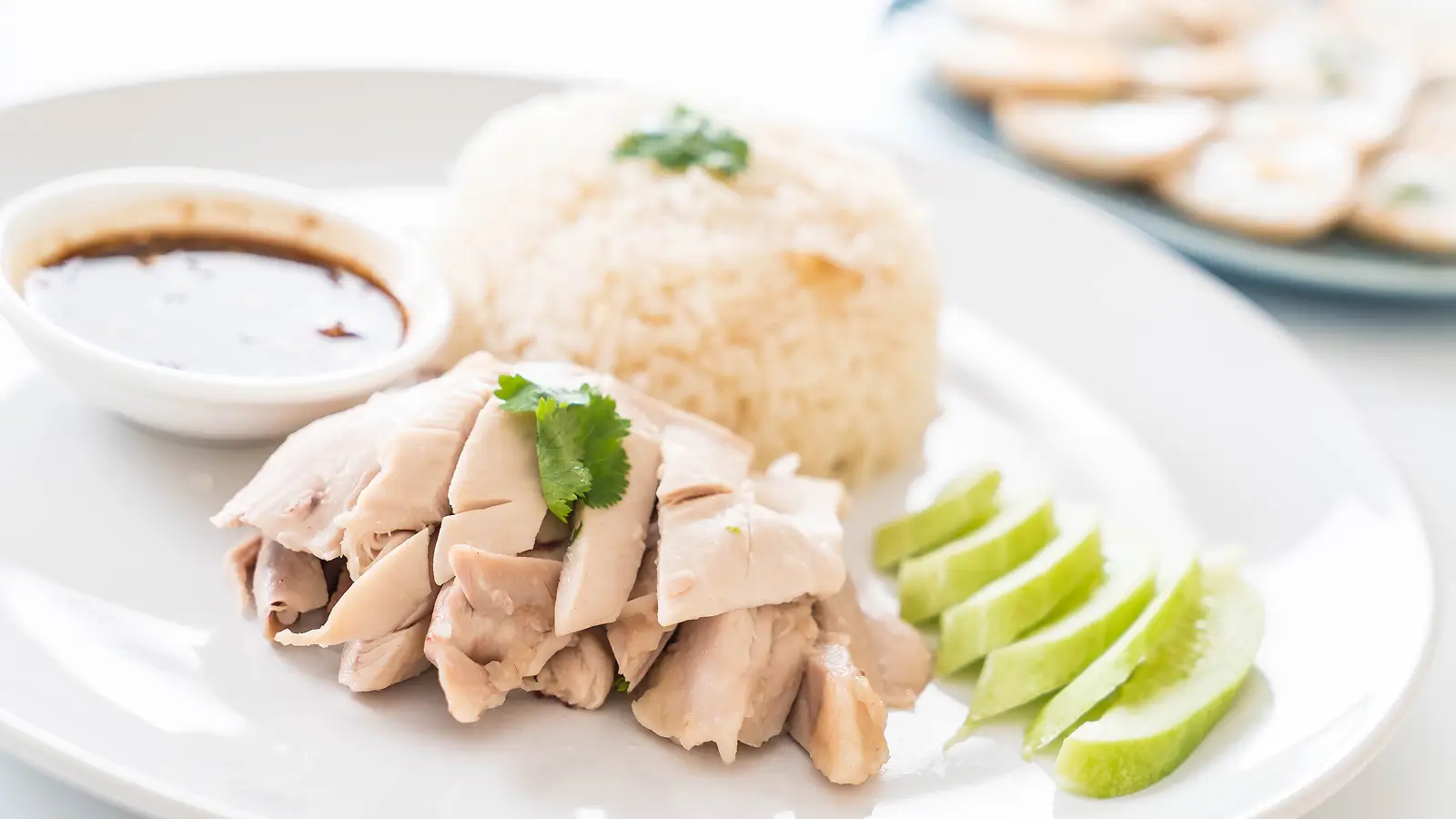
5. Khao Man Gai (ข้าวมันไก่)
Poached chicken over rice cooked in the chicken stock, with a bowl of clear broth on the side. It sounds plain. It is not: the dish lives or dies on the sauce — fermented soybean, ginger, garlic, vinegar and chilli — and every shop guards its own recipe.
If you’re travelling with someone who doesn’t eat spicy food, this is the dish that makes them happy.
Where: Bangkok’s Pratunam district is famous for it. Pay: 50–70 THB.
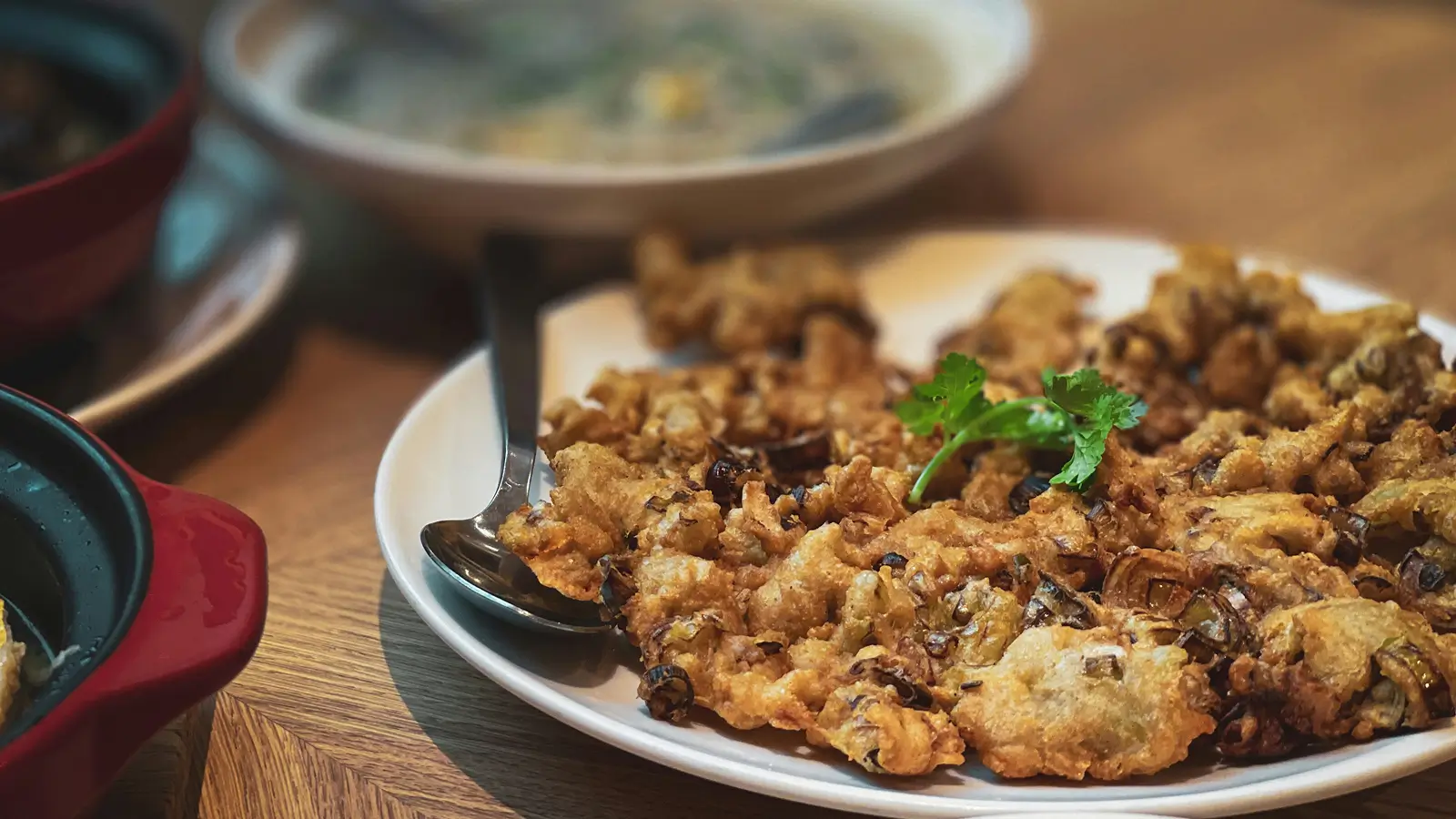
6. Hoy Tod (หอยทอด)
A crisp-chewy oyster or mussel pancake, fried on a flat griddle with egg and bean sprouts until the edges shatter. Served with sriracha and a fierce amount of heat from the griddle itself.
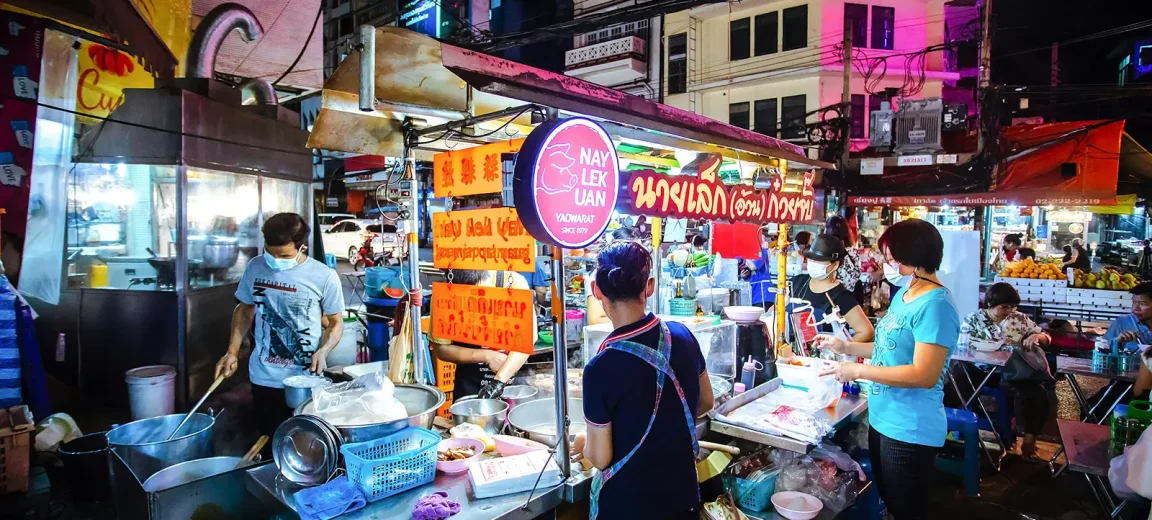
Best eaten in Bangkok’s Chinatown, Yaowarat, where the stalls set up as the sun goes down and the whole street turns into an open-air kitchen.
Where: Yaowarat Road, Bangkok, after 7pm. Pay: 80–150 THB.
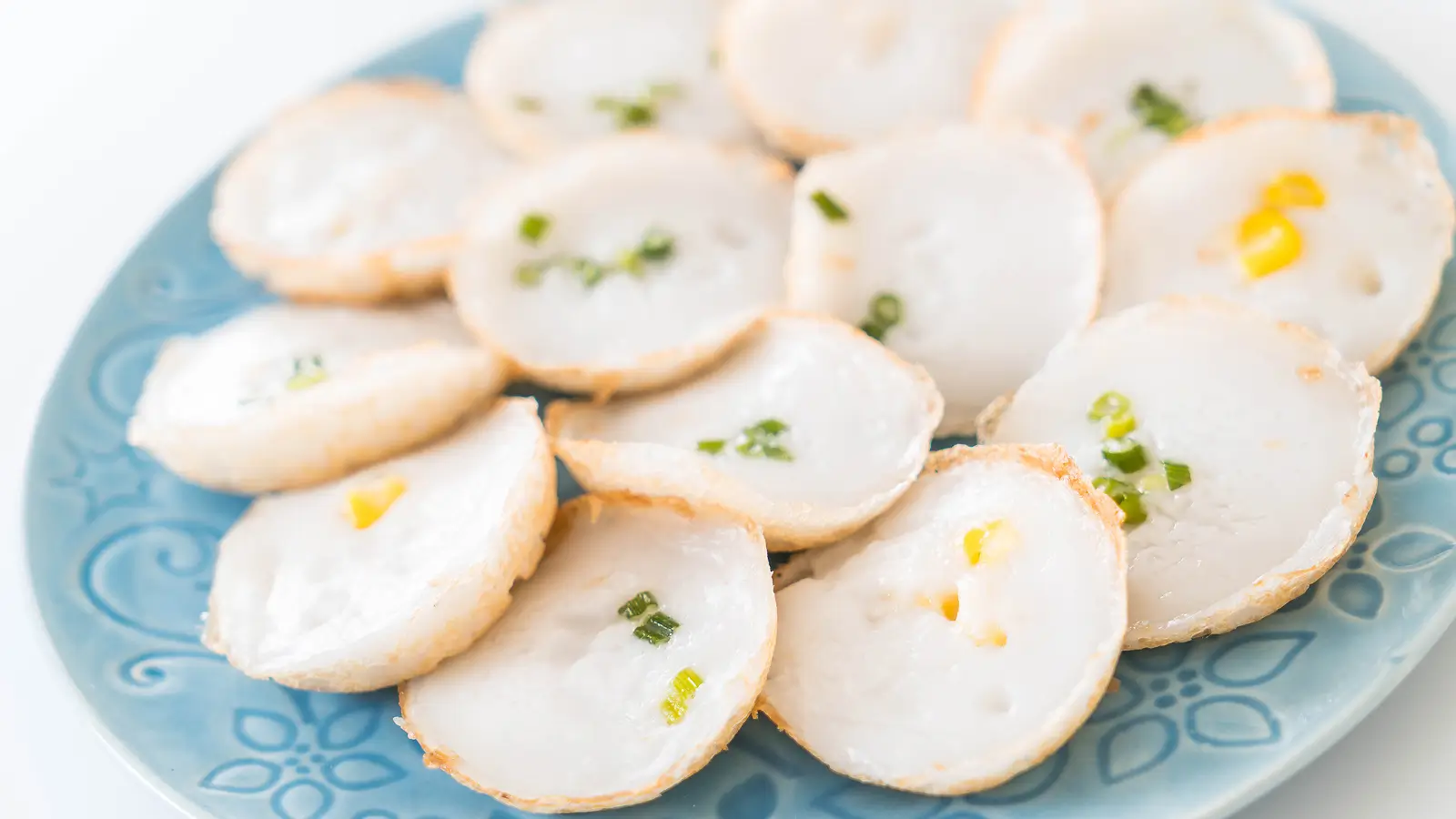
7. Kanom Krok (ขนมครก)
Little coconut-rice pancakes, cooked in a dimpled cast-iron pan, crisp on the outside and molten in the middle. Half savoury, half sweet, topped with spring onion or sweetcorn. They come in a paper cone, ten or twelve at a time, and they disappear alarmingly fast.
Where: Markets and temple fairs across the country. Pay: 20–40 THB.
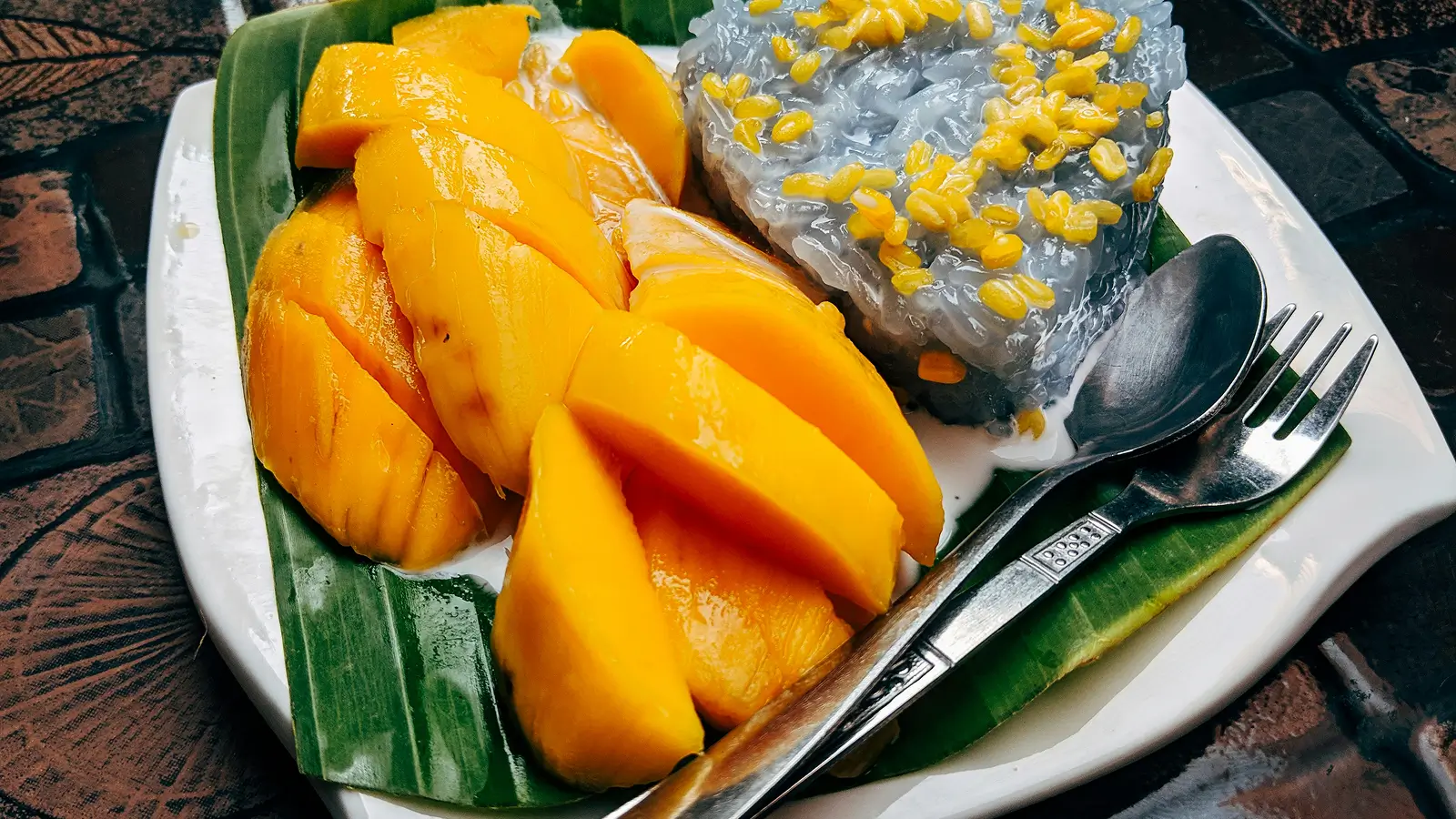
8. Khao Niao Mamuang (ข้าวเหนียวมะม่วง)
Mango sticky rice, and the correct way to end any meal — or any list. Ripe nam dok mai mango, warm sticky rice steeped in salted coconut cream, a scatter of toasted mung beans on top.
The salt is the trick. Without it the dish is just sweet; with it, it’s one of the great desserts anywhere. Peak season runs roughly April to June, when the mangoes are at their best, though you’ll find it year-round.
Where: Everywhere. Bangkok’s Thonglor and Silom stalls are famous for a reason. Pay: 60–120 THB.
Tips from Esmeranda
“Eat where the Thai people are eating. A busy stall means fresh ingredients and food cooked in front of you — that’s the whole safety rule.”
- Say it before you order. Mai phet — not spicy. Thai “a little spicy” is still spicy.
- Carry small notes. Almost no cart takes cards. Keep 20s and 50s.
- Timing beats location. Grilled pork is morning, noodles are lunch, Chinatown is night.
- Allergies and jay. Peanuts hide in many sauces; fish sauce is in nearly everything. Keep both written in Thai on your phone.
Summary
Ten dishes, four regions, and not one of them costing more than a few euros — eat your way through this list and you’ll have covered the essentials: the sweet-sour balance of central Thailand, the coconut-curry richness of the north, the fire of Isaan, and the turmeric-and-pepper accent of the south.
Start with pad thai and khao man gai if you’re nervous, work up to som tam and boat noodles, and finish, always, with mango sticky rice. And if you’d rather not guess which cart is the right one, that’s exactly what we’re for: our tours are built around the stalls we actually eat at, with someone beside you who can order in Thai, explain what’s in the bowl, and get the spice level right.